On the 18th of October 1911, New Church House was opened as the new head offices for the Church of England's Manchester Diocese. As a building it served many functions for the church as well as the city, with social clubs, meeting rooms and a concert hall which was named after Sir William Houldsworth, an important financier of the building project.
It had room for 1000 seated audience members and its acoustics were designed specifically to host music performances, and had the most amazing organ as befits any grand church hall.
The first concert was given by W. H. Cradock's Glee and Madrigal Prize Choir on 3rd May 1912. The first orchestral concert was given by the Manchester School of Music whose premises were on Albert Square, to give the Manchester premieres of contemporary music by Dame Ethel Smyth and Rutland Boughton.
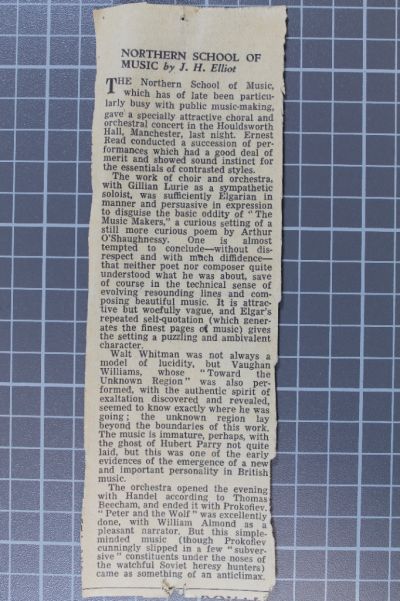
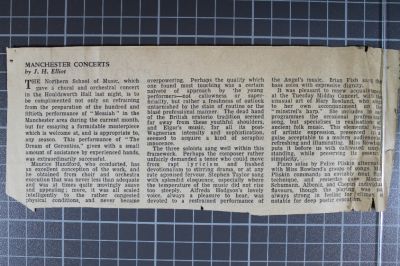
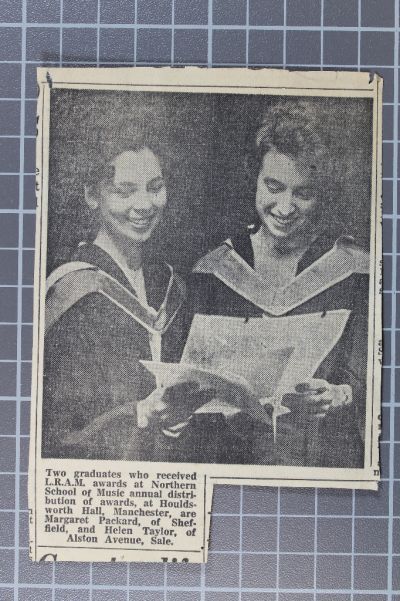
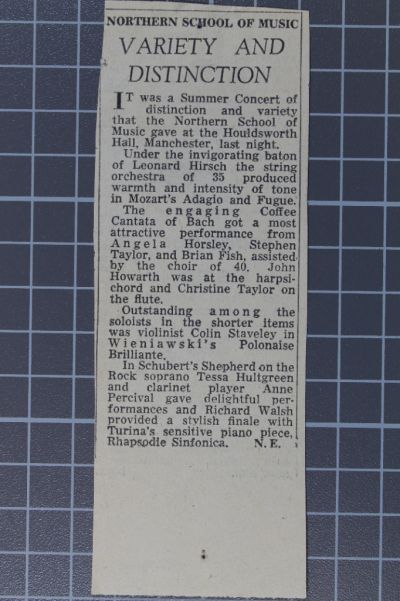
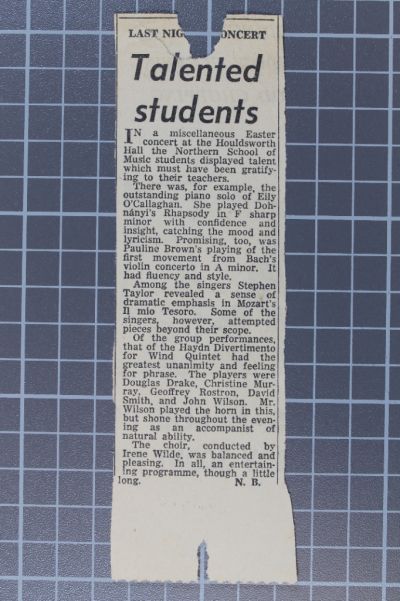
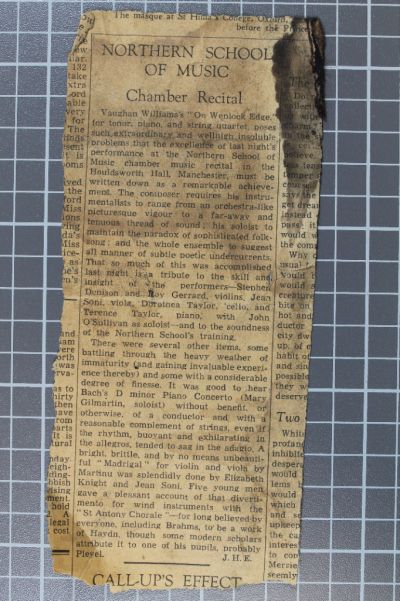
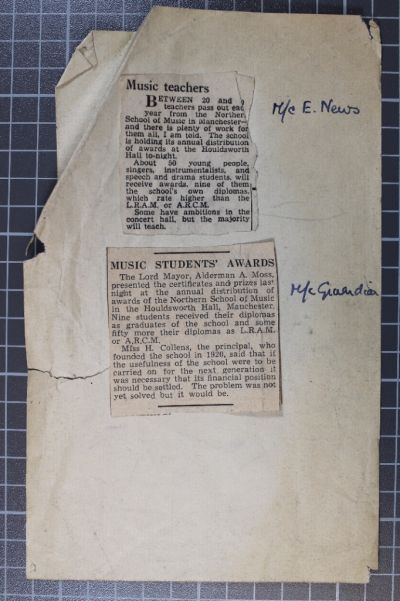
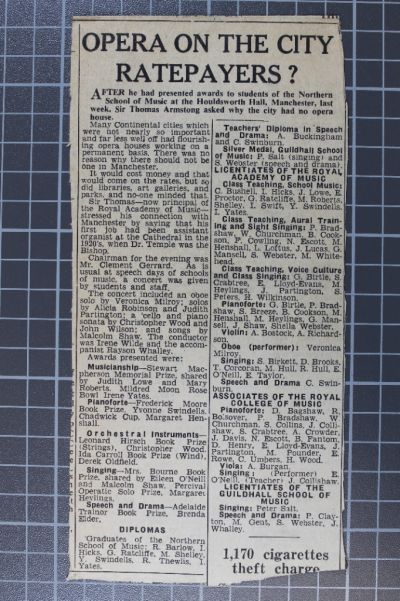
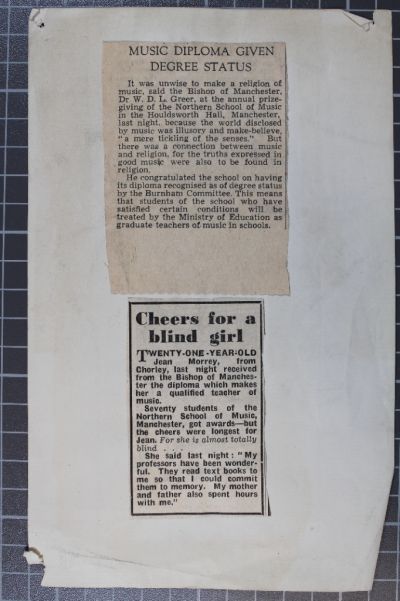
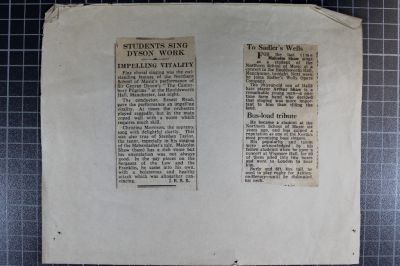
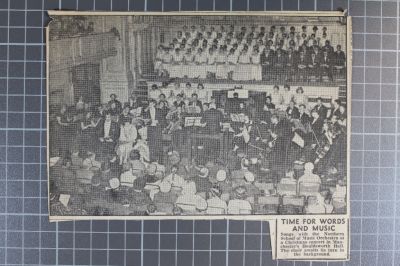
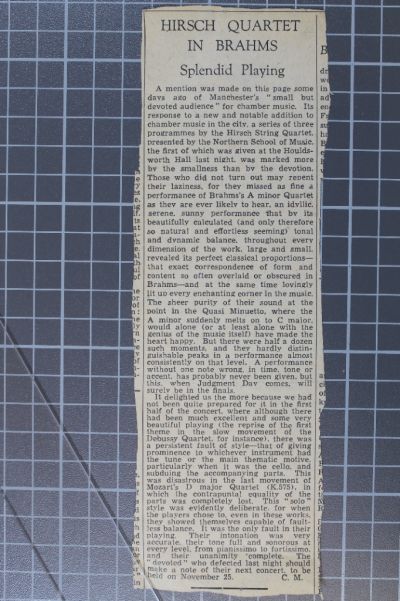
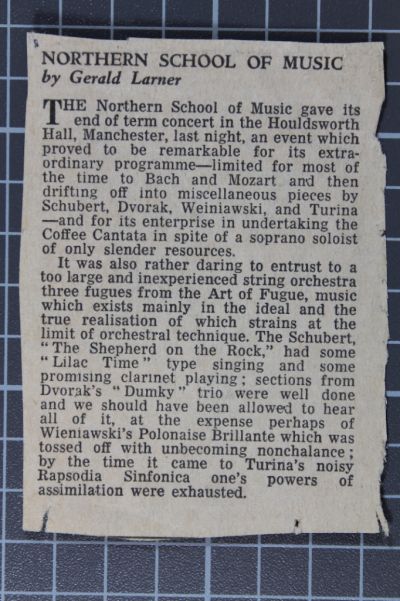
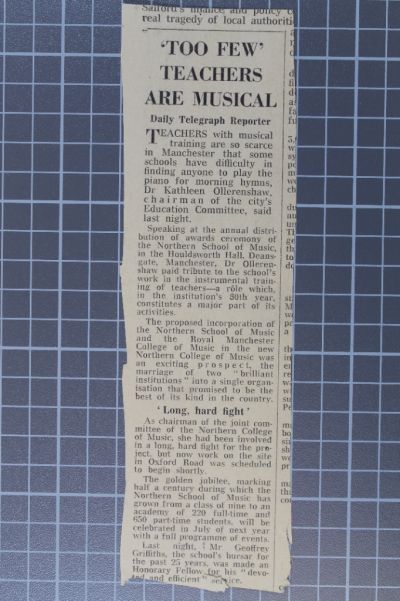
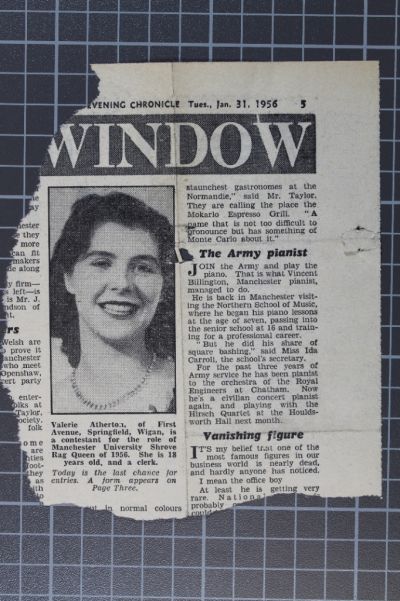
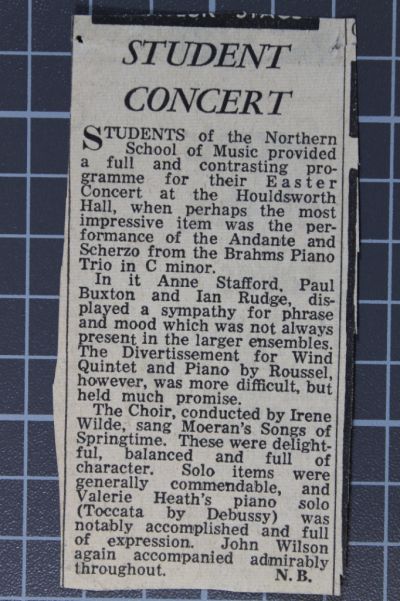
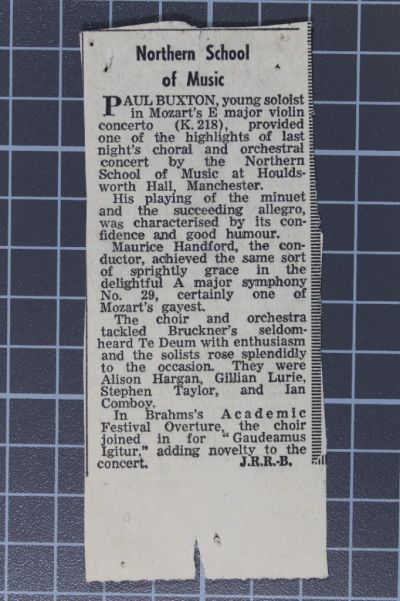
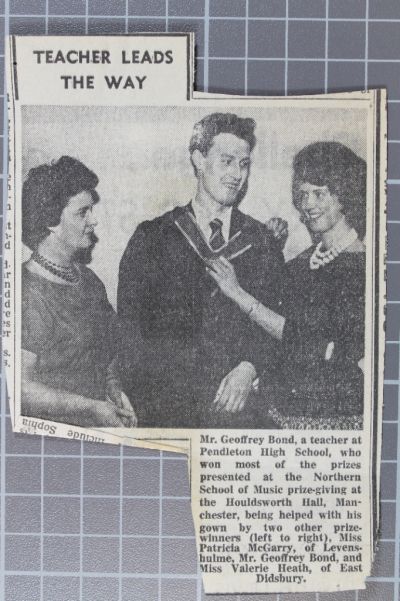
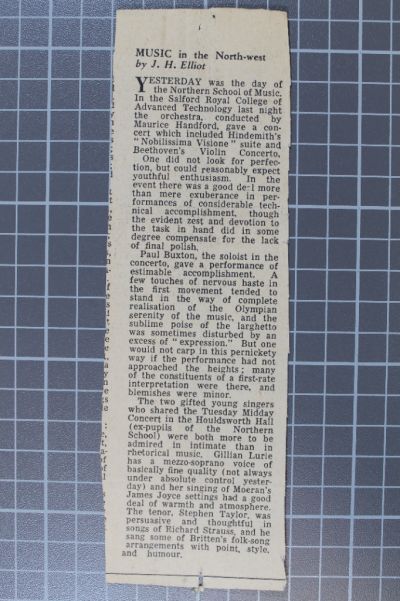
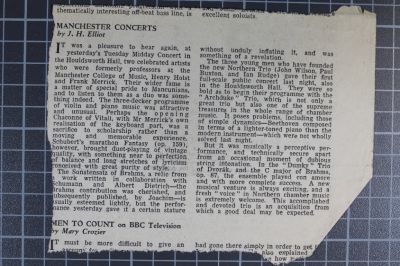
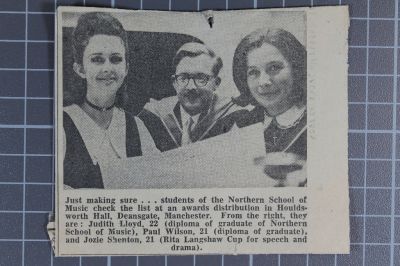
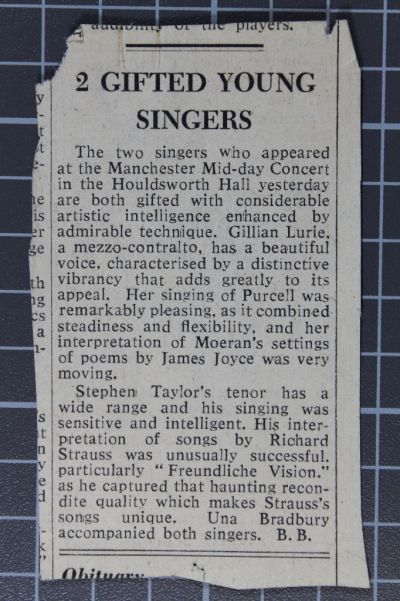
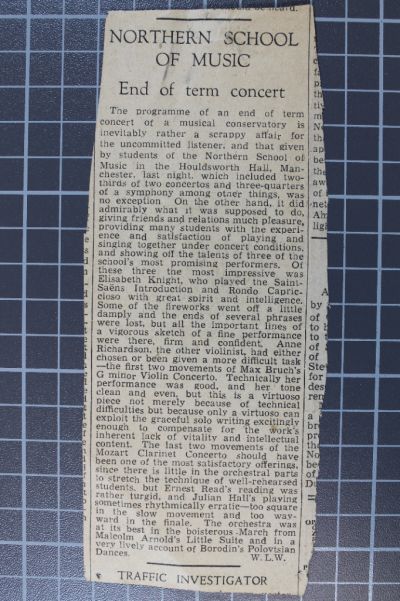
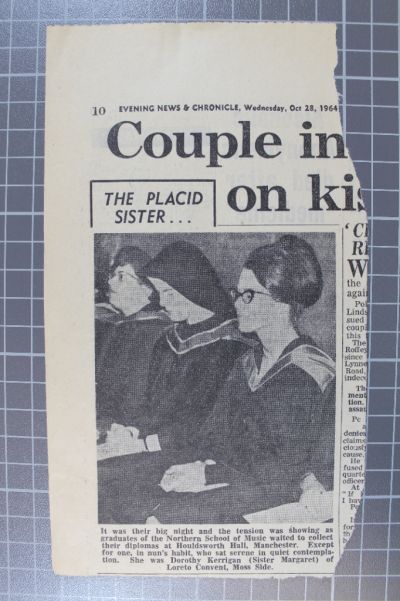
From the 1920s it became the go-to performance venue for the Northern School of Music which held its prize giving and orchestral concerts in the Hall for decades. The Manchester Tuesday Mid-Day Concerts were often hosted in the Hall, as well as the famous Brand Lane series of concerts.
In the First World War it functioned as a part-time recruiting station for various battalions and hosted countless relief fund concerts for charitable causes.
The famed Manchester Women's String Orchestra performed there many times and its versatile space was used for conferences, public meetings and even billiards championships. It saw increased activity as a venue in the Second World War as one of the few city-centre concert halls to survive the Manchester Blitz raids of 1940.
Post-war, the new and emerging music scenes in Manchester made use of the Hall, from regular performances of the Manchester Jazz Club, USA Blues and Big Band dance nights, T. J. Davidson's High Energy Punk Nights.
Its life as a thriving concert hall dwindled from the 1980s, loaning itself more to less musical events such as antique fairs, photograph exhibitions, bazaars, wrestling tournaments, a kung-fu centre and gym, stamp collectors exhibitions and more until it was finally overhauled in full by Rolling Stones alumnus Bill Wyman's for his Manchester site of his Sticky Fingers restaurant franchise in 1996, but alas only lasted a handful of years.
Use of the space has changed hands many times between various retail and catering businesses but the building on 90 Deansgate still stands.
All in all, for nearly 80 years it was one of the most versatile performance and exhibition spaces in the city.
 Donate
 Upload